


The discovery of feathers on dinosaur skeletons has been one of the most significant paleontological revelations in recent decades. As a supplier of dinosaur skeletons, I've witnessed firsthand the growing interest in these feathered fossils and the profound implications they hold for our understanding of prehistoric life. In this blog, I'll explore what the presence of feathers on a dinosaur skeleton implies, from evolutionary biology to the commercial appeal of these remarkable specimens.
Evolutionary Insights
The presence of feathers on dinosaurs provides compelling evidence for the evolutionary link between dinosaurs and birds. For years, scientists hypothesized that birds evolved from theropod dinosaurs, a group of carnivorous dinosaurs that includes well - known species like Tyrannosaurus rex and Velociraptor. The discovery of feathered dinosaur fossils, such as Sinosauropteryx and Microraptor, has lent strong support to this theory.
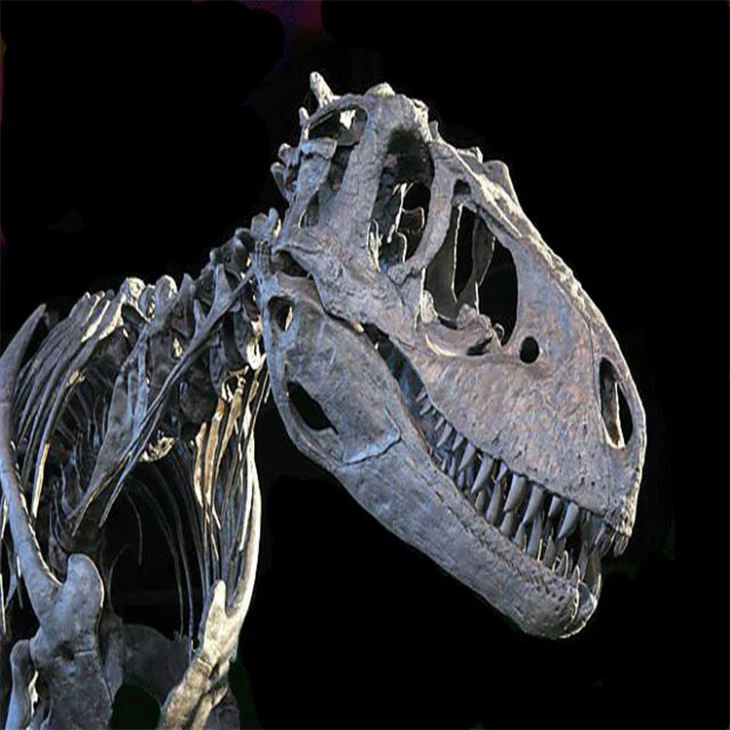

Feathers are a defining characteristic of birds, but their origin predates the appearance of modern birds. The feathers found on dinosaur skeletons suggest that they initially evolved for functions other than flight, such as insulation, display, or camouflage. For example, the simple, filament - like feathers of Sinosauropteryx were likely used for thermoregulation, helping the small dinosaur maintain a stable body temperature. This indicates that the development of feathers was a gradual process, with different types of feathers evolving over time for different purposes.
The presence of feathers also provides insights into the behavior and social structure of dinosaurs. Feathers can be used for visual displays during courtship or territorial disputes. Male birds often have elaborate plumage to attract mates, and it's possible that some dinosaurs used their feathers in a similar way. For instance, the four - winged Microraptor had long, pennaceous feathers on its forelimbs and hindlimbs, which may have been used in spectacular aerial displays to attract a mate or intimidate rivals.
Paleoecological Understanding
Feathered dinosaur fossils also contribute to our understanding of the ancient ecosystems in which these creatures lived. The distribution of feathered dinosaurs across different geographical regions and time periods can tell us about the environmental conditions and ecological niches available to them.
Some feathered dinosaurs were adapted to forested environments, where their feathers may have helped them blend in with the foliage or provided additional lift for short glides between trees. Others lived in open plains or coastal areas. For example, the presence of certain types of feathers may indicate that a dinosaur was a good runner or had adaptations for wading in water.
The discovery of feathered dinosaurs also challenges our previous assumptions about the diversity of prehistoric life. Before these fossils were found, we had a more limited view of dinosaurs as scaly, reptilian creatures. The addition of feathered dinosaurs to the fossil record expands our understanding of the morphological and ecological diversity of the dinosaur world, painting a more complex and fascinating picture of prehistoric ecosystems.
Commercial and Educational Value
As a supplier of dinosaur skeletons, I understand the commercial appeal of feathered dinosaur specimens. These fossils are highly sought after by museums, educational institutions, and private collectors. They offer a unique opportunity to showcase the latest scientific discoveries and engage the public in the study of paleontology.
Our Attraction Dinosaur Skeleton For Museum collection includes some of the most realistic and detailed feathered dinosaur replicas. These skeletons are not only accurate in terms of their skeletal structure but also feature carefully crafted feathers to give a true - to - life representation of these ancient creatures. They serve as excellent educational tools, helping visitors to museums and schools understand the evolutionary relationship between dinosaurs and birds.
In addition to their educational value, our Highly Life - like And Emulational Dinosaur Skeleton replicas are also a great attraction for the general public. They can be used in theme parks, zoos, and even corporate events to create a sense of wonder and excitement. The presence of feathers on these skeletons adds an extra layer of intrigue, making them even more captivating for viewers.
We also offer a range of Replica Dinosaur Fossils, including those with preserved feathers. These replicas are made using the latest technology and materials to ensure the highest level of accuracy and durability. They are a cost - effective alternative to real fossils, allowing museums and institutions to display a wider variety of specimens without the high cost and ethical concerns associated with collecting real fossils.
Conclusion
The presence of feathers on dinosaur skeletons has far - reaching implications for our understanding of evolutionary biology, paleoecology, and the commercial and educational aspects of paleontology. These fossils have revolutionized our view of dinosaurs, showing them to be more diverse and complex than we previously thought.
If you're interested in adding a feathered dinosaur skeleton to your museum, educational institution, or private collection, we'd love to hear from you. Our team of experts can help you choose the right specimen for your needs and provide you with all the information and support you require. Whether you're looking for a large - scale display for a museum or a smaller replica for educational purposes, we have the perfect solution for you. Contact us today to start the conversation about bringing these amazing prehistoric creatures into your space.
References
- Prum, R. O., & Brush, A. H. (2002). The evolutionary origin and diversification of feathers. The Quarterly Review of Biology, 77(3), 261 - 295.
- Xu, X., Zhou, Z., & Wang, X. (2000). A theropod dinosaur from China with long feathers on the metatarsus. Nature, 407(6803), 841 - 844.
- Padian, K., & Chiappe, L. M. (1998). The origin and early evolution of birds. Biological Reviews, 73(1), 1 - 42.


