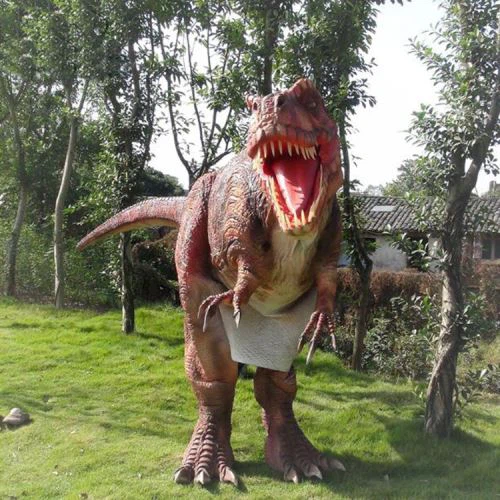
Hey there! As a fiberglass statue supplier, I often get asked about the thermal insulation properties of our products. Fiberglass statues are not just eye - catchers; they also have some interesting thermal characteristics that are worth diving into.
Let's first understand what fiberglass is. Fiberglass is made of extremely fine fibers of glass. These fibers are combined with a resin matrix to form a composite material. The unique structure of fiberglass gives it some distinct thermal insulation abilities.
One of the key factors contributing to the thermal insulation of fiberglass is its low thermal conductivity. Thermal conductivity is a measure of how well a material can conduct heat. Materials with low thermal conductivity are good insulators because they don't allow heat to pass through them easily. Fiberglass has a relatively low thermal conductivity compared to many other common materials like metals. Metals are great conductors of heat, which means they can quickly transfer heat from one side to the other. In contrast, fiberglass slows down this heat transfer process.
The way fiberglass is structured also plays a big role in its insulation properties. The glass fibers are randomly arranged within the resin matrix, creating a network of tiny air pockets. Air is a poor conductor of heat, so these air pockets act as additional barriers to heat flow. When heat tries to move through a fiberglass statue, it has to navigate through these air - filled spaces, which significantly reduces the rate of heat transfer.
Now, let's talk about how these insulation properties matter in real - world scenarios. For outdoor fiberglass statues, like the Christmas Decoration Santa Claus Statue, the thermal insulation helps protect the statue from extreme temperature changes. During cold winter nights, the low thermal conductivity of fiberglass means that the statue won't get as cold as quickly as a metal or stone statue. This is important because rapid temperature changes can cause materials to expand and contract, which may lead to cracks or other forms of damage over time.
Similarly, in hot summer days, the insulation properties prevent the statue from heating up too much. A statue that gets too hot can also experience problems, such as the resin in the fiberglass softening or deforming. The air pockets in the fiberglass structure help keep the internal temperature of the statue relatively stable, protecting its structural integrity.
For indoor fiberglass statues, like the Fiberglass Captain America Statue, the thermal insulation can be beneficial in maintaining a consistent appearance. Temperature fluctuations can affect the color and finish of a statue. By insulating against heat transfer, fiberglass helps keep the statue looking its best for longer.
Another aspect to consider is the energy - saving potential. If you have a large collection of fiberglass statues in a building, their insulation properties can contribute to overall energy efficiency. They can act as a buffer, reducing the need for excessive heating or cooling to maintain a comfortable environment around the statues.


Let's also touch on the comparison with other materials used for statues. Stone statues are heavy and have relatively high thermal conductivity. They can absorb and release heat quickly, which makes them more susceptible to weather - related damage. Wood statues, on the other hand, can be affected by moisture and rot, and their thermal insulation properties are not as consistent as fiberglass. Fiberglass offers a good balance of durability, lightweight, and thermal insulation.
The Resin Cartoon Movie Fiberglass Life Size Statue is a great example of how fiberglass can be used in large - scale, detailed statues. The insulation properties ensure that the intricate details of the statue are not compromised by temperature changes. Whether it's placed in a park under the open sky or in an indoor exhibition hall, the fiberglass construction helps maintain the quality of the statue.
However, it's important to note that the thermal insulation of fiberglass statues is not absolute. Extreme temperatures and long - term exposure to harsh environmental conditions can still have an impact. But compared to many other materials, fiberglass provides a good level of protection.
If you're thinking about purchasing fiberglass statues, you might be wondering how to take advantage of these insulation properties. When installing outdoor statues, try to place them in areas that are somewhat sheltered from direct sunlight and strong winds. This will further help in maintaining a stable temperature around the statue. For indoor statues, make sure the room has a relatively stable temperature and humidity level.
In conclusion, the thermal insulation properties of fiberglass statues are a significant advantage. They offer protection against temperature - related damage, help maintain the appearance of the statues, and can even contribute to energy savings. Whether you're looking for a Christmas decoration, a superhero statue, or a life - size cartoon character for a park, fiberglass is a great choice.
If you're interested in purchasing high - quality fiberglass statues with excellent thermal insulation properties, feel free to reach out for a detailed discussion. We're here to answer all your questions and help you find the perfect statue for your needs.
References
- "Composite Materials Handbook" - General information about fiberglass and its properties
- "Thermal Physics" textbooks - Explanation of thermal conductivity and insulation principles