As a supplier of Chinese New Year lanterns, I've had the privilege of witnessing firsthand the allure and uniqueness of these traditional decorations. Chinese New Year lanterns are not just mere sources of light; they are a vibrant expression of culture, history, and artistry. In this blog post, I'll delve into the elements that make Chinese New Year lanterns truly one - of - a - kind.
Rich Cultural Symbolism
Chinese New Year lanterns are deeply rooted in Chinese culture and carry a wealth of symbolic meanings. Each design, color, and pattern is carefully chosen to convey positive wishes and blessings for the new year.
The red color is perhaps the most iconic element of Chinese New Year lanterns. Red is considered an auspicious color in Chinese culture, symbolizing good luck, prosperity, and happiness. It is believed to ward off evil spirits and bring good fortune to the household. When you see a sea of red lanterns hanging during the Chinese New Year, it creates a festive and energetic atmosphere that is both inviting and reassuring.

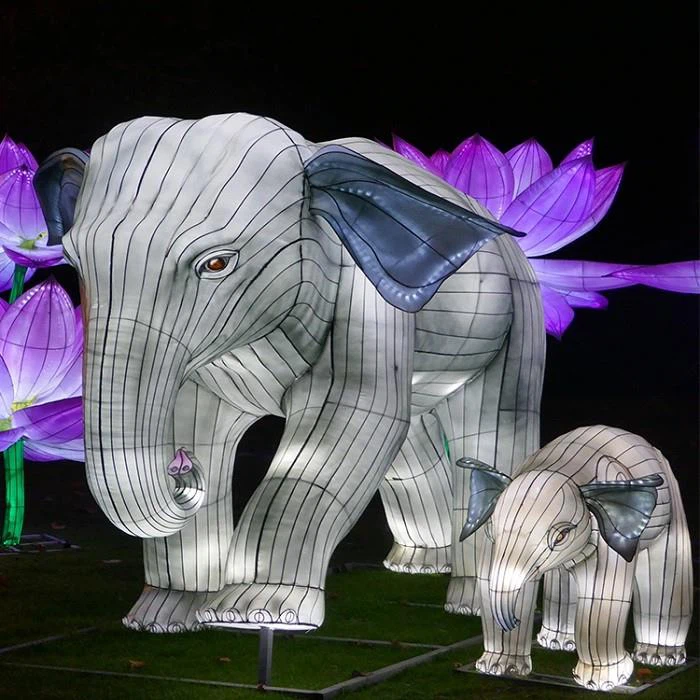
In addition to the color red, many lanterns feature traditional Chinese symbols such as dragons, phoenixes, and lions. Dragons are powerful and mythical creatures in Chinese mythology, representing strength, wisdom, and good luck. Phoenixes are symbols of rebirth, beauty, and prosperity, while lions are often associated with protection and courage. These symbols not only add a touch of cultural authenticity to the lanterns but also serve as a reminder of the rich heritage and traditions of the Chinese people.
Another important symbol commonly found on Chinese New Year lanterns is the Chinese character "Fu," which means "good fortune" or "happiness." The character is often written upside down on the lantern, as in Chinese, the phrase "Fu dao le" (福到了), which literally means "good fortune has arrived," sounds similar to the phrase "Fu is upside down." This play on words is a fun and creative way to wish for good luck in the new year.
Intricate Artistry and Craftsmanship
One of the most remarkable aspects of Chinese New Year lanterns is the level of artistry and craftsmanship involved in their creation. These lanterns are often handmade using traditional techniques that have been passed down through generations.
Skilled artisans use a variety of materials to construct the lanterns, including silk, paper, bamboo, and wood. Silk is a popular choice for lanterns due to its soft, luminous quality and ability to create a warm, inviting glow. Paper lanterns are also common, as they are lightweight, inexpensive, and easy to decorate. Bamboo and wood are used to create the frames of the lanterns, providing a sturdy and durable structure.
The process of making a Chinese New Year lantern can be quite complex and time - consuming. It often begins with the design phase, where the artisan sketches out the shape and pattern of the lantern. Next, the materials are carefully selected and prepared. The silk or paper is cut and shaped to fit the frame, and then the intricate patterns and designs are painted or embroidered onto the surface. Finally, the lantern is assembled, and the light source is added.
Many Chinese New Year lanterns feature elaborate hand - painted designs or delicate embroidery. These details can range from simple geometric patterns to complex scenes from Chinese mythology or history. The level of detail and precision in these designs is truly remarkable, and it is a testament to the skill and dedication of the artisans.
Diverse Shapes and Designs
Chinese New Year lanterns come in a wide variety of shapes and designs, each with its own unique charm and significance. Some of the most popular shapes include animals, flowers, fruits, and traditional Chinese architectural forms.
Animal - shaped lanterns are particularly popular during the Chinese New Year, as each year is associated with a different animal in the Chinese zodiac. For example, during the Year of the Rat, you might see lanterns in the shape of rats; during the Year of the Ox, lanterns shaped like oxen would be in abundance. These animal - shaped lanterns not only add a fun and festive touch to the celebrations but also serve as a reminder of the annual cycle of the Chinese zodiac. You can explore our Celebrate Festival Chinese Animal Silk Lantern collection to see some amazing examples.
Flower - shaped lanterns are also a common sight during the Chinese New Year. Flowers such as peonies, lotuses, and chrysanthemums are all symbols of beauty, prosperity, and good luck in Chinese culture. These lanterns often feature delicate petals and vibrant colors, creating a stunning visual display.
Fruit - shaped lanterns are another popular choice. Fruits like oranges, apples, and pomegranates are symbols of good health, wealth, and fertility. Lanterns in the shape of these fruits are often used to decorate homes and businesses, bringing a sense of abundance and prosperity to the new year.
In addition to these natural forms, Chinese New Year lanterns can also be designed in the shape of traditional Chinese buildings, such as pagodas and pavilions. These lanterns not only showcase the beauty of Chinese architecture but also represent the stability and longevity of the family and the community. Our Outdoor Waterproof Dinosaur Fabric Lantern and Colorful Chinese Handmade Animal Shape Lantern offer a unique take on these traditional designs.
Community and Festival Spirit
Chinese New Year lanterns play a crucial role in fostering a sense of community and festival spirit during the Chinese New Year celebrations. Lantern festivals are held in many cities and towns across China and around the world, attracting large crowds of people of all ages.
During these festivals, streets and public spaces are adorned with thousands of lanterns, creating a magical and enchanting atmosphere. People gather to admire the beautiful lantern displays, participate in cultural activities, and enjoy traditional food and entertainment. Lantern - making workshops are also often held, allowing people to learn about the art of lantern - making and create their own unique lanterns.
The act of hanging lanterns is also a communal activity. Families and neighbors come together to decorate their homes and streets with lanterns, sharing in the joy and excitement of the new year. This sense of togetherness and shared celebration is an important part of the Chinese New Year tradition and is one of the things that makes Chinese New Year lanterns so special.
Adaptability and Modern Innovation
While Chinese New Year lanterns have a long and rich history, they have also evolved over time to adapt to modern trends and technologies. Today, many lanterns are equipped with LED lights, which are more energy - efficient and long - lasting than traditional candles or incandescent bulbs. LED lights also come in a variety of colors and can be programmed to create different lighting effects, adding an extra layer of excitement and visual appeal to the lanterns.
In addition to technological advancements, modern Chinese New Year lanterns also incorporate contemporary designs and materials. Some lanterns feature a combination of traditional and modern elements, creating a unique and stylish look that appeals to a wider audience. For example, you might see lanterns with sleek, minimalist designs or lanterns made from recycled materials.
As a supplier of Chinese New Year lanterns, I am constantly inspired by the creativity and innovation of the artisans and designers in the industry. We are committed to offering a wide range of lanterns that not only preserve the traditional charm of Chinese New Year but also meet the needs and preferences of modern consumers.
If you are interested in purchasing Chinese New Year lanterns for your home, business, or event, we would love to hear from you. Our team of experts can help you choose the perfect lanterns to suit your style and budget. Contact us today to start the procurement negotiation process and bring the magic of Chinese New Year lanterns to your celebrations.
References
- "Chinese New Year: An Encyclopedia of History, Culture, and Customs" by John Minford
- "The Art of Chinese Paper - Cutting" by Yang Xianrang
- "Chinese Mythology: An Introduction" by Eva Wong